August 12, 2026
In this article, we will explore the significance of play-based learning in daycare environments and how local daycare services can implement this approach to benefit children's development. Children's learning experiences in their early years are crucial in shaping their future cognitive and social abilities. Daycare centers play a pivotal role, providing an environment where play-based learning can be seamlessly integrated. Through play, children engage with their surroundings, learning problem-solving skills, enhancing creativity, and understanding social relationships.
By adopting a play-based learning curriculum, local daycare services can meet and even surpass developmental benchmarks for early childhood. This approach not only enriches the learning environment but also aligns with innate child development processes. The interaction in play-based activities helps stimulate a 3-year-old’s brain, which is twice as active as an adult brain, according to research by Zero to Three. Hence, it stands to reason that play is a critical component of early education that can benefit both children and the community at large.
What Is Play-Based Learning in Daycare?
Definition and Overview
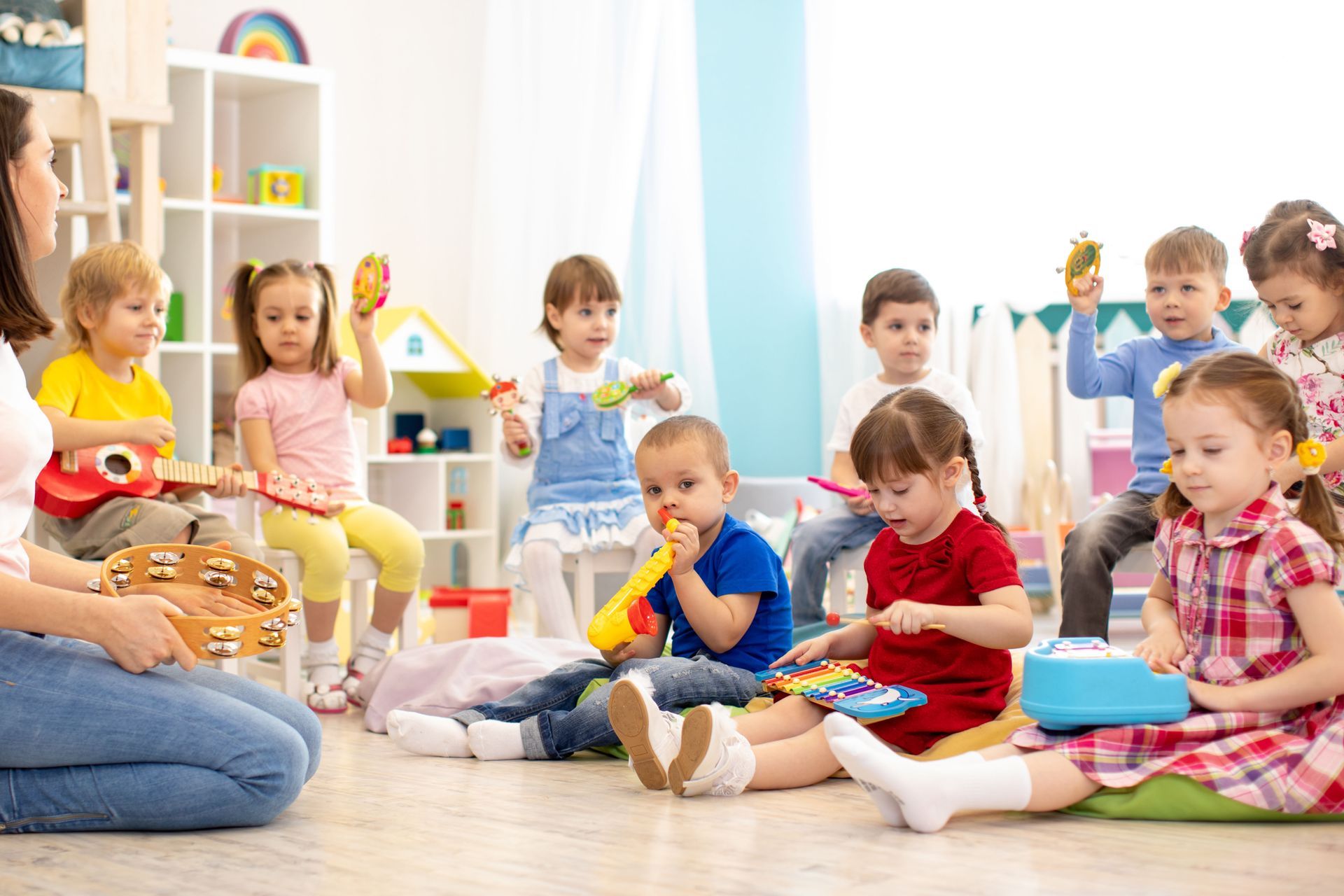
Play-based learning is an educational approach that uses play as the primary method for learning and development in children. In the context of daycare, it involves a structured environment where children are encouraged to explore, imagine, and discover through hands-on activities and interactions. The focus is on child-led play, where caregivers support and guide explorations instead of directing them. This promotes independence and fosters a love for learning from an early age while allowing flexibility to tap into children's natural curiosities.
In daycare settings, play-based learning means creating a space that offers a variety of play opportunities—ranging from physical play on playgrounds to imaginative games inside. Activities are designed to engage children's bodies, minds, and emotions in a holistic manner. By permitting children the freedom to choose their play activities, daycare services can support a wider range of developmental outcomes. This method also allows children to form and test their hypotheses about the world in a safe and nurturing space.
By emphasizing play, local daycare centers highlight learning as an enjoyable process, which develops a robust foundation for lifelong educational pursuits. Even though this method often appears less structured than conventional approaches, evidence suggests that structured play facilitates effective learning. The focus of play-based learning is on the process rather than the product, fostering problem-solving skills and critical thinking. It creates a balanced development by incorporating physical activities, creativity, and social interaction.
Theoretical Framework
The theoretical backing of play-based learning is grounded in several established educational frameworks. Key theories include Jean Piaget's staged cognitive development theory, which posits that children learn best when they are actively engaged in their environment. Piaget emphasizes that through play, children can explore situations, assimilate new information, and accommodate it into their understanding of the world. This practical engagement helps update and expand the structures of their thinking.
Additionally, Lev Vygotsky’s social development theory highlights the importance of social interactions in cognitive development, making the role of peers and caregivers crucial in a play-based learning environment. In play, children learn to work together, negotiate rules, and understand different perspectives, which directly contribute to building social competence. This interaction is particularly critical in daycare settings where diverse children come together and enrich each other's learning experiences.
Why Is Play-Based Learning Important in Local Daycare Services?
Community Impact
Implementing play-based learning in local daycare services can have far-reaching effects on the community at large. When children receive high-quality early education, they are better prepared to contribute positively to society. Play-based learning fosters creativity and collaboration, qualities that are invaluable to the community's cultural and economic development. Moreover, well-educated children are poised to become curious and competent community members, setting a foundation for future success.
Parents often look for daycare centers that emphasize holistic development, making facilities with play-based learning attractive choices. This preference can guide local policy to support and fund educational models that reflect modern theories of learning. Furthermore, as the benefits of play-based learning become increasingly apparent, communities might see reduced educational disparities and higher academic standards emerging from their youth. Consequently, the availability of outstanding daycare options increases overall community satisfaction and pride.
Customization and Adaptability
Local daycare centers possess the unique ability to customize play-based programs to cater to the specific needs of their community. This adaptability allows for culturally relevant learning experiences and can integrate diverse perspectives that resonate with local families. By doing so, daycares can design programs that not only meet developmental needs but also reflect the cultural context and values of the children served. Adaptable programs are key to fostering an inclusive environment where children of all backgrounds can thrive.
Additionally, customization means recognizing that each child learns uniquely and providing an array of activities that cater to varied learning styles. For instance, certain children may benefit more from physical play, while others might excel in artistic expression. By offering choice and variety, daycare centers enable children to discover their interests and strengths in a supportive environment. This flexibility is a significant advantage that play-based learning provides over more conventional methods.
How Can Local Daycare Services Effectively Implement Play-Based Learning?
Professional Staff Training
Implementing a play-based learning model in daycare centers can only succeed with skilled and trained staff. The professional development of daycare staff, focusing on understanding and applying play-based principles, is essential. This training ensures educators can create optimal environments that encourage playful, meaningful learning experiences. Moreover, trained staff can confidently guide children through exploratory learning while balancing safety and creativity in their teaching methods.
A robust training program helps staff identify the subtle differences between play and simply "playing around." Educators must learn to use observation as a tool to understand children's interests and incorporate them into learning activities. The emphasis on ongoing professional development also ensures staff stay updated with the latest educational research and trends. Trained staff can facilitate engaging, purposeful play that aligns with developmental goals, ultimately enhancing the quality and reputation of the daycare.
Infrastructure and Resources
The physical setup of a daycare significantly determines the success of implementing play-based learning strategies. Local daycare services need to invest in adaptive infrastructure to create the right environment for exploratory and free play. Classrooms should provide versatile spaces with a variety of play zones—such as reading corners, imaginative play areas, and creative arts sections—to stimulate diverse forms of learning. Furthermore, safety protocols must be integrated within these spaces to ensure children's welfare during activities.
Resources are equally vital in bringing the concept of play-based learning to life. This includes access to age-appropriate toys, costumes for role play, construction materials like blocks, and interactive digital tools that promote learning through play. Daycare centers might also benefit from partnerships with local businesses or libraries that can supply educational materials, offering children multiple stimuli to enrich their experiences. Resources that encourage hands-on engagement lend critical support to the educational objectives and are a smart investment for enhancing daycare programs.
Play-based learning offers a formative and profound approach to early childhood education. It supports children's cognitive, social, and emotional development in ways that align with their natural learning tendencies. By integrating play as both a teaching tool and an enriching environment, local daycare services can foster well-rounded development that equips children for future academic and life challenges. The flexibility and customizability of play-based approaches lend themselves to community-specific adaptations, making them universally beneficial.
As local daycare services continue to implement and refine play-based learning models, they contribute significantly to educational advancement and community enrichment. Parental engagement, professional development for educators, and thoughtful curriculum design are paramount to success. These elements coupled with robust infrastructure and comprehensive monitoring, ensure impactful educational experiences for young learners.
In closing, the importance of play-based learning in local daycare services transcends individual educational outcomes; it fosters a thriving community of learners prepared for successive life stages. Encouraging play in educational frameworks mirrors how children learn best—through exploration, engagement, and enjoyment—preparing them to become curious, creative, and capable individuals. Play-based learning not only promotes developmental excellence but also enriches the community, setting a foundation for future success and innovation in education. Reach out to Just 4 Kids Drop-In Child Care today to see how we can help you!